
I’m a massive proponent of taking advantage of doing some healthy cheats.
Cheats to get ahead, or compensate for the way that I live, in this crazy version of the world that we didn’t evolve for.
Naturally, I read a lot about supplements and molecules for health and longevity. I typically figure if the mechanisms are sound, and if I can’t see a downside, why not add it to my stack?
And yet, at various stages, it gets to the point where I look at the near bowl of pills I am swallowing in the morning, and chastise myself; supplements are not a food replacement.
So I aggressively cull my list, and the cycle starts again.
I find myself wondering how many molecules are in our food that we have no idea about. Is the latest molecule or superfood really better for me than boring old vegetables, like carrots?
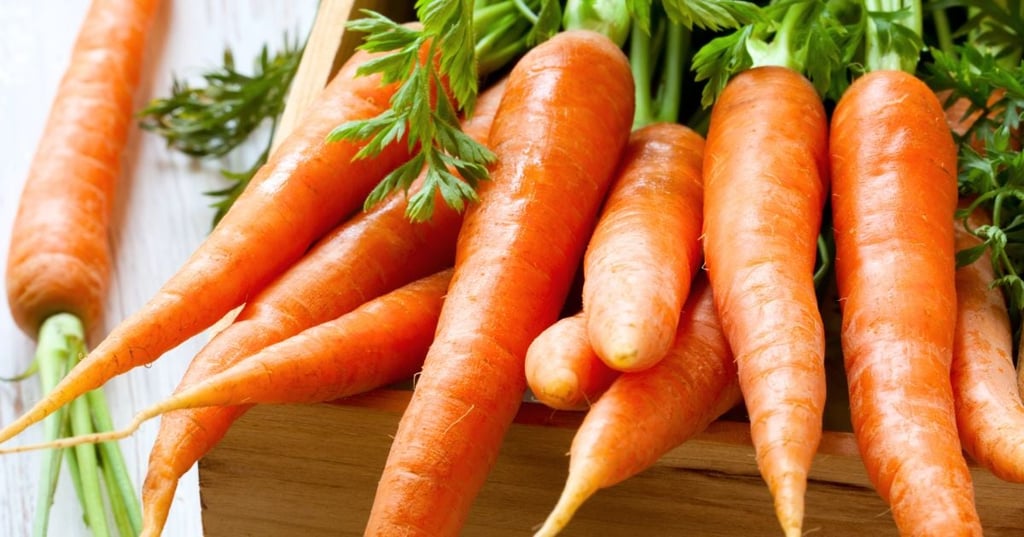
Carrots are pretty ‘good for you’ in a generic health sense, loaded with beta-carotene and a bunch of other healthful stuff, but surely they don’t specifically extend healthspan. Well, it turns out, they do.
A recent study found isofalcarintriol, a polyacetylene found in carrots, has significant health benefits and anti-ageing effects.
The study found isofalcarintriol activates defence mechanisms against oxidative stress and significantly increases the lifespan of worms. In mice, it was found to improve glucose metabolism, enhance exercise capacity, and protect against age-related frailty.
The compound’s effectiveness is linked to its ability to inhibit mitochondrial ATP synthase.
This inhibition activates two key pathways:
- NRF2 pathway: Known for its defensive role against oxidative stress, a significant factor in ageing and related diseases
- AMPK pathway: Plays a crucial role in energy regulation and stress resistance
These discoveries suggest that isofalcarintriol will probably have similar effects in more complex organisms, like us humans, the carrot approach to extending life.
I can’t know this, but I’ll be surprised if we don’t end up finding that most vegetables have phytonutrients that exert anti-ageing effects on various pathways. We did, after all, evolve alongside the foods we eat.
Over time, we’ll discover more and more foods that interact with known ageing pathways, just as we’ll discover more ageing pathways themselves.
For now though, there are some known molecules readily available in your food:
Spermidine
A polyamine compound, originally found in… sperm, spermidine is pretty great at encouraging autophagy (cellular recycling).
Sources: wheat bran, aged cheese, mushrooms, soy products, and legumes.
Fisetin
A flavonoid known to be senolytic, meaning it helps break down and clear out senolytic cells, which are basically zombie cells that cause chaos in the body. The effect of fisetin being to reduce age-related cellular damage and inflammation. Yes please!
Sources: strawberries, apples, persimmons, grapes, onions, and cucumbers.
Berberine
A yellow pigment alkaloid known for its anti-inflammatory, lipid lowering effects, and most importantly glucose regulation via AMPK activation. If I am being honest, sources of berberine are not typically things you’ll find in your diet, but they are readily available as herbs, and berberine is so great I couldn’t not mention it.
Sources: barberry, goldenseal, Oregon grape, and tree turmeric.
Quercetin
One of my favourites, quercetin is a flavonoid that is anti-inflammatory, anti-allergic, and importantly, proteolytic, making it particularly relevant as a senolytic.
Sources: onions, capers, apples, berries, and black tea.
Resveratrol
Probably the best known of the popular longevity molecules, being a sirtuin (silent information regulator), resveratrol influences gene expression, and helps stop what I am going to call genetic drift, which tends to happen more as we age.
Sources: while grapes are a primary source, resveratrol is also found in red wine, peanuts, and berries.
Urolithin A
When your microbiome encounters ellagitannins -found in the below food sources- they can convert some of it into urolithin A, making it a postbiotic. Urolithin A stimulates mitophagy, which is the breaking down of old or damaged mitochondria, thereby allowing the replacement of fresh healthy mitochondria, resulting in more energy, and a longer life for you.
Sources: pomegranate, berries, walnuts.
You’ll notice that the vast majority of the food sources for these longevity molecules are from plants, mostly vegetables and fruits, with a strong correlation with bright and varied colours.
Mum was probably right, ‘eat your vegetables’ , she just probably couldn’t at the time quite articulate why. This is me telling you, ‘eat your vegetables’, because they are probably a portion of the very fountain of youth we’ve been looking for. Food is medicine, and now the elixir of life. Like all the best things, it is kind of obvious in retrospect, we now just have better words and science to explain it.