
Medicine 3.0 is a concept developed and popularised by longevity doctor Peter Attia, MD. While Melbourne Functional Medicine does not practise Medicine 3.0 (our practitioners are not medical doctors), the philosophy shares significant overlap with functional medicine – the model we use in our clinic.
Given the epidemic of lifestyle-driven chronic disease, it’s no surprise that approaches like Medicine 3.0 and functional medicine are gaining attention. Both look beyond simply treating disease, instead focusing on prevention, personalisation, and long-term health optimisation.
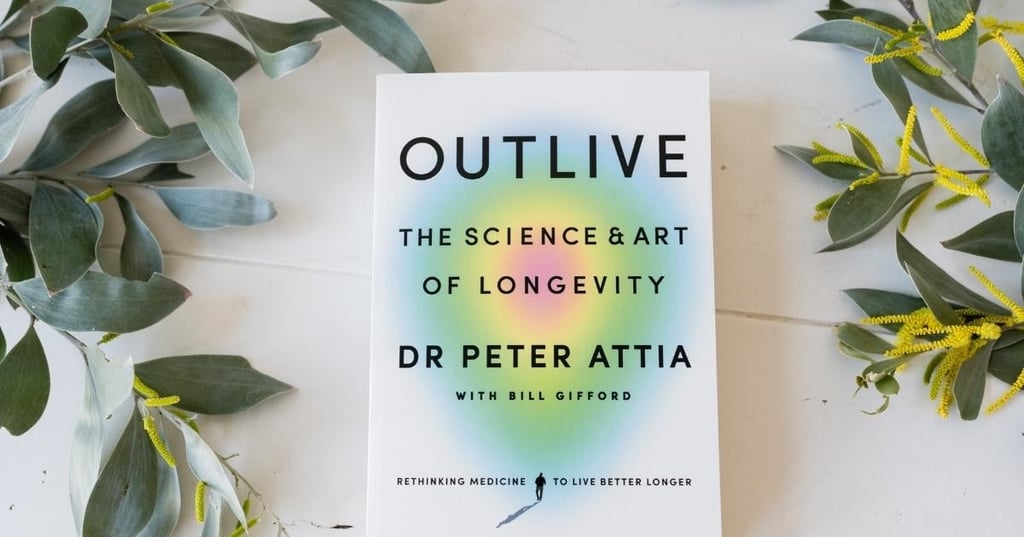
Attia introduced Medicine 3.0 around the time of his book launch in 2023. In Outlive: The Science and Art of Longevity, he describes a shift in healthcare towards preventing chronic disease and extending healthspan rather than just lifespan.
While Attia coined the term Medicine 3.0, the principles underpinning it are part of a broader movement in healthcare. Functional medicine — developed through the pioneering work of figures like Dr Jeffrey Bland, PhD, founder of The Institute for Functional Medicine – has for decades been asking: “Why did this disease develop in the first place?”
What is Medicine 1.0 and 2.0?
Originating around the time of Hippocrates (circa 460–370 BCE), Medicine 1.0 defines the pre-scientific era of medical practice. It persisted for almost two millennia and was characterised by reliance on observation and guesswork.
Medicine 1.0 key characteristics include:
- No use of the scientific method
- Reliance on observation and superstition rather than evidence
- Treatments based on unproven theories and beliefs
- Limited understanding of disease causes and mechanisms
Medicine 2.0, as described by Dr Attia, refers to today’s allopathic medicine. It is evidence-based and focuses on diagnosing and managing diseases and acute illnesses. The era of Medicine 2.0 began in the late 19th century and continues today.
Medicine 2.0 key characteristics include:
- Application of the scientific method in medical research and clinical settings
- Acknowledgment of germ theory
- Use of statistical tools for randomised controlled trials
- Emphasis on treating acute conditions and extending human lifespan
- A predominantly reactive approach
Significant advancements of Medicine 2.0 have been:
- Development of antibiotics and vaccines
- Refinement of surgical techniques
- Introduction of advanced diagnostic tools (e.g. CT scans, MRIs)
- Establishment of evidence-based treatment protocols
What are the key aspects of Medicine 3.0?
Medicine 3.0 emphasises a more proactive, personalised, and preventative model of care. Key aspects include:
- Preventative: Disease prevention takes priority over disease treatment
- Personalised: Care is tailored to each individual’s unique genetics, health status, and environment
- Root cause investigation: Focus on diet, exercise, sleep, stress management, gut health, mitochondrial and metabolic function
- Participatory: Partnership between patients and providers, often supported by health coaches
- Technology-enabled: Genetic testing, biomarker analysis, wearables, and telemedicine enable precision and ongoing support
Optimal vs. normal: A shared focus in Medicine 3.0 and functional medicine
Both Medicine 3.0 and functional medicine emphasise aiming for optimal – not merely normal – health ranges.
“Normal” lab ranges are based on statistical averages, often including both healthy and unhealthy individuals. They are helpful for diagnosing disease, but may not reflect what’s ideal for a specific person.
“Optimal” ranges, in contrast, are linked with better function, resilience, and longevity. Functional medicine practitioners use this lens to personalise care, while Medicine 3.0 advocates for the same shift in perspective.
At Melbourne Functional Medicine, our practitioners consider whether your results sit in an optimal range for you, alongside your symptoms and lifestyle factors. Where diagnosis, treatment, or prescriptions are required, we work in an integrated way with medical doctors.
Example (thyroid): Conventional “normal” TSH often spans 0.5–4.5 mIU/L. Someone at 3.8 mIU/L may still experience fatigue or brain fog. Functional medicine practitioners often view a narrower “optimal” range and may also consider free T3, free T4, and lifestyle factors. This allows issues to be addressed proactively, often before disease develops – and always in collaboration with conventional medical care when needed.
How functional medicine aligns with Medicine 3.0 principles
Functional medicine is not Medicine 3.0, but the principles overlap. Here’s how functional medicine delivers similar benefits in our clinic:
1. Being heard
Functional medicine excels in creating highly customised health plans tailored to the unique needs of each individual. This model fosters in-depth consultations, allowing practitioners to spend more time understanding their patients’ health histories and concerns. By nature of this approach, many of our patients at Melbourne Functional Medicine report finally feeling heard and truly seen by a healthcare professional, with goals of longevity finally being able to be explored.
2. Feeling a sense of empowerment
A cornerstone of functional medicine is the emphasis on empowering the patient to learn about their body and in turn be given the tools and techniques to transform health without the need to constantly seek advice or be ‘fixed’. Such a collaborative approach ensures that patients feel heard and involved in their healthcare decisions, leading to better adherence to recommended protocols and improved outcomes.
3. Improved health outcomes
Functional medicine has been shown to significantly improve quality of life, for individuals with chronic diseases and health optimisers alike. By focusing on personalised health strategies and addressing the root causes of health creation, individuals report being able to live in their body free of dysfunction, pain and chronic inflammation.
4. Disease prevention
Anyone who has read Outlive understands that there’s nothing enjoyable about developing any of the four major types of chronic disease, known as the “four horsemen”:
- Atherosclerotic disease: Includes cardiovascular and cerebrovascular diseases
- Cancer: The uncontrolled growth of abnormal cells
- Neurodegenerative disease: Mainly Alzheimer’s disease
- Metabolic disease: A spectrum ranging from hyperinsulinemia and insulin resistance to fatty liver disease and type 2 diabetes
Functional medicine offers a proactive approach to health by addressing the biochemical and functional imbalances in the body that contribute to these chronic conditions. This approach uses a combination of systems biology, advanced functional testing, and personalised lifestyle interventions to detect and correct these imbalances. By doing so, functional medicine not only helps in delaying the onset of chronic diseases but also extends the period of life spent in good health, also known as your healthspan.
5. Longevity outcomes
Functional Medicine, when practised through the lens of longevity, aims to proactively address the 11 hallmarks of ageing. Some of the ways your functional medicine practitioner can address the hallmarks of ageing is through:
- Personalised nutrition: emphasising a diet rich in antioxidants, anti-inflammatory foods and designed to enable optimum metabolic function
- Targeted supplementation: through quality grade supplements like glutathione, omega-3 fatty acids, B vitamins, vitamin D and more
- Lifestyle modifications: such as stress reduction, exercise prescriptions and sleep optimisation
- Addressing inflammaging: by identifying your unique sources of chronic inflammation, which can amplify the ageing process
We also work in an integrated way with medical doctors, so our patients benefit from the best of both worlds: functional medicine’s preventative, personalised approach and conventional medicine’s diagnostic and treatment capabilities when required.
Accessing functional medicine in Australia
Medicine 3.0 itself is a medical framework. At Melbourne Functional Medicine, we practise functional medicine – a model that aligns closely with the principles of Medicine 3.0 while remaining within the naturopathic scope of practice.
By focusing on optimal health ranges and addressing the root causes of dysfunction, we aim to provide many of the same benefits Medicine 3.0 advocates: prevention, personalisation, and proactive health optimisation.
We’re proud to collaborate with medical doctors when medical care is needed, while supporting our patients with evidence-informed functional medicine strategies for long-term health.
To get started on your proactive, preventative health journey, check out our health optimisation services and book a kickstart session as the first step.