

As humans, we’re always curious about how we can push our bodies to go harder, be faster, get stronger, and become sharper. But the body doesn’t just give us that – it needs a reason. That’s where hormesis comes in.
Hormesis is the idea that small, controlled doses of stress, like fasting, heat, cold, or even intense mental effort, can nudge the body to adapt in ways that make us more resilient, more capable, and more optimised over time.
But the body doesn’t optimise… unless it has to.
From a physiological standpoint, it’s built to conserve energy, not waste it chasing peak performance. Unless there’s a real demand – something that signals we need more from you – the body will default to “just enough to get by.”
This often surprises patients when I explain it: the body operates on a “use it or lose it” principle. And this becomes especially important as we age. Despite common advice to “take it easy” in later years, the reality is that this approach accelerates decline. If you want your body to stay strong, responsive, and efficient as you get older, you need to give it a reason to adapt.
Eating well, sleeping well, and moving regularly are essential, but on their own, they’re not enough to maintain resilience over time. As we age, the threshold for adaptation rises, which means we need to do more, not less, to trigger the beneficial stress that keeps our systems sharp. This is where hormesis becomes a critical tool for healthy ageing.
What is hormesis?
Hormesis refers to the application of a controlled stressor that stimulates cells and systems in the body to initiate a positive adaptive response. This stimulus-response pattern is biphasic: a low-dose exposure results in beneficial adaptations, while higher doses may lead to damage or dysfunction.
Take training for a marathon, for example. If you go out and run 42 km every day without training, you’re likely to cause inflammation and injury. But if you start with shorter runs (say, 5 km a few times a week) and gradually build up over time, your body adapts effectively and safely. In this way, exercise itself is a hormetic stressor – used strategically, it leads to improved fitness, endurance, and resilience.
At the cellular level, this adaptive response involves signalling cascades and the activation of “hormetic effectors” – molecular pathways and proteins that help protect, repair, and enhance function.
So, how do we actually apply this concept in everyday life? One of the most accessible starting points is through what – and how – we eat.
Dietary hormesis
Our diet is probably one of the simplest ways we can engage hormesis to improve our health and wellbeing. There are two main ways we can use our daily dietary practices to capitalise on beneficial hormetic effects.
- Fasting or caloric restriction
- Phytochemical effects
Fasting or caloric restriction
Intermittent fasting or calorie-restricted eating are well-known strategies associated with inducing beneficial metabolic changes. The principle is to fast for a period of time, e.g. 12- 16 hours, or to restrict calorie intake to approximately 50% of normal daily requirements, in order to force the body to make better use of internal resources to support metabolism, e.g. burn excess body fat for energy, or to improve insulin sensitivity. During the fasting period, the body will also break down old and dysfunctional cells and tissues to free up proteins and other structural elements that it can then use to build new, healthy cells and tissues.
Physiologically, fasting upregulates heat-shock proteins (HSPs) that protect other proteins from oxidative stress. It also increases the body’s production of antioxidant compounds like vitamin E and CoQ10, and enhances mitochondrial function through improved oxidative phosphorylation and NAD+/NADH metabolism – all associated with longevity and improved healthspan.
Phytochemical effects
When we eat a wholefoods-rich, mostly plant-based diet, we ingest not only vitamins and minerals, but also phytochemicals – compounds plants produce to defend themselves against disease and infestation (somewhat like a plant-based immune system).
These phytochemicals don’t necessarily have any nutritional value for humans, but in low doses, they help to prime our immune system, so we become more resistant to infection and inflammation. Highly processed, calorie-dense, nutrition-poor processed foods are largely devoid of these valuable hormetic phytochemicals.
This really is an example of nature in action. Whilst some of these phytochemicals are considered toxic, or even carcinogenic (cancer-causing) in high doses, the very low dose contained within the plants that we eat exert a protective and anti-carcinogenic effect, having health benefits in humans. Improving resistance to environmental toxins such as pesticides and herbicides, and reducing the risk of cancer, has been shown to reduce the incidence of chronic disease and extend healthspan.
Thermal hormesis
Temperature extremes – both hot and cold – can act as powerful hormetic stressors. By exposing the body to environmental heat or cold, we trigger beneficial adaptive responses that improve resilience and longevity. There are two main forms of thermal hormesis:
- Heat shock
- Cold shock
Heat shock
Heat shock therapy involves exposure to a safe and controlled dose of heat that has the effect of raising body temperature, forcing the body to adapt its physiology to regulate its internal core temperature and keep it stable. To some degree we naturally encounter this when the weather warms up and we find ourselves outside on a 37oc day, we feel hot, begin to sweat, and the surface blood vessels dilate to help us conduct heat away from the body, we breathe a little faster to blow off heat, and our body starts to conserve water to prevent dehydration.
At the physiological level, the heat stimulus from the environment induces the production of HSPs whose job it is to protect other vital proteins in our bodies, such as signalling proteins, as well as protect our cells from damage and oxidative stress. Heat stress has also been shown to signal the body to break down old dysfunctional cells and proteins, and upregulate our internal antioxidant capacity, thus clearing out senescent cells and contributing to improved healthspan.
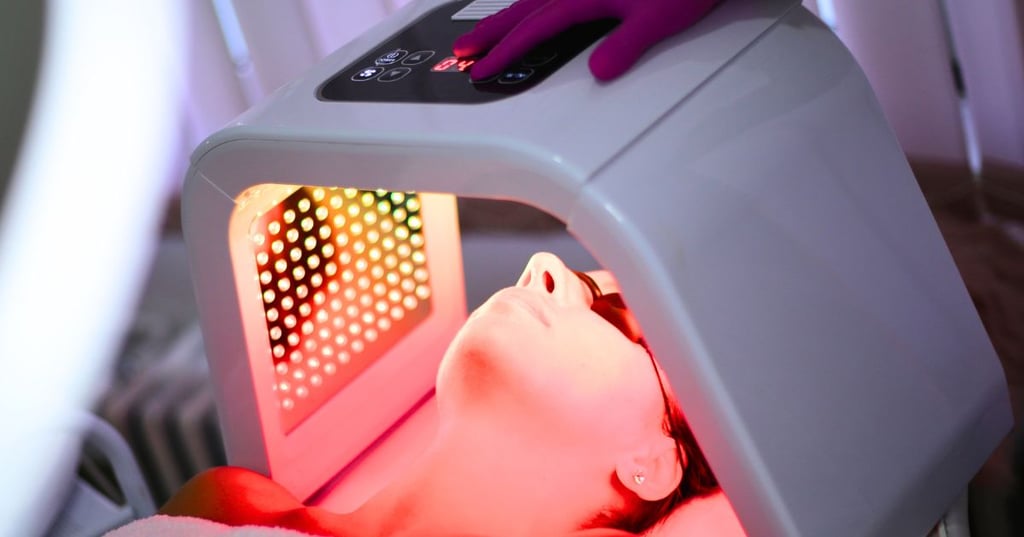
Infrared light therapy, saunas, or just being willing to expose yourself to the natural environmental heat are easy and accessible ways to take advantage of heat shock for health.
Cold shock
The opposite is also true. Exposure to cold, which lowers our body temperature, causes the body to initiate an adaptive response to maintain our internal core temperature, improve stress resilience, and maintain a healthy physiology.
When our bodies are exposed to low temperatures through cold showers, ice baths, cold water immersion, cryotherapy, or simply cold environmental temperatures, we initially release adrenalin and noradrenalin (catecholamines), which prime the body by increasing blood flow and body temperature.
The cold exposure also activates brown adipose tissue, whose main job is thermogenesis, or generating heat, which in turn upregulates metabolism. Once metabolism increases, we can make better use of fats and triglycerides, and we improve our insulin sensitivity, so we can more efficiently metabolise glucose to make energy, which in turn creates heat.
In addition to thermoregulation, cold exposure also enhances our immune response, increasing our white cell count, and downregulates inflammation, which is why cold exposure is often used for post-exercise recovery.
But there is more to cold exposure than just the benefits to our physical body. Research has shown that cold exposure also improves our neurological and cognitive function. Cold-sensing thermoreceptors begin to work more efficiently, improving calcium regulation, which is important for nerve function.
Additionally, important neurotransmitters such as dopamine, serotonin, and beta-endorphins are upregulated, which improves our sense of wellbeing and satisfaction, and our mental resilience to stress.
Similar to heat, our body also releases cold-shock proteins, which have been shown to be neuroprotective and slow the progression of neurodegenerative conditions such as Alzheimer’s Disease.
Hypoxia: training with less oxygen
Another increasingly popular hormetic technique is hypoxia training. Hypoxia training involves temporarily reducing oxygen availability via breath holds, hypoxic devices, or altitude training to stimulate adaptations in the body’s respiratory and cardiovascular systems.
Whilst in a hypoxic state, our body is forced to better utilise anaerobic (without oxygen) cellular respiration to maintain cellular function, whilst it mobilises a number of other physiologic processes to adapt.
This low-oxygen state prompts the body to adapt at a genetic level, altering gene expression to optimise the use of limited oxygen. It stimulates mitochondrial function for more efficient energy production, boosts antioxidant defences, and activates stem cell repair mechanisms that help regenerate damaged tissue and protect vulnerable organs like the brain. These adaptations can improve aerobic capacity, insulin sensitivity, and glucose utilisation – key factors in enhanced performance and metabolic health. Hypoxia also triggers the release of erythropoietin, a hormone that increases red blood cell production and enhances the body’s oxygen-carrying capacity.
Hormetic benefits are all in the dose
Whether it’s running fast or slow, eating more or less, turning up the heat or plunging into cold, it’s the dose that makes the difference. When used strategically, these stressors nudge the body to adapt in powerful ways, helping you:
- Enhance immune function
- Improve insulin sensitivity and glucose regulation
- Support brain health and cognition
- Increase physical and metabolic performance
- Reduce inflammation and oxidative stress
- Improve stress tolerance
- Extend both lifespan and healthspan
But remember, the Goldilocks principle applies – not too much, not too little, we need to get it just right.
Don’t go too hard, too fast with hormesis. Start slow, and build up slowly, remembering it is all in the dose; what may be beneficial to us in a low dose can be detrimental to health in a larger dose.
Keep it simple, listen to your body, and most of all, enjoy the benefits of your newfound friend, hormetic stress.