

Welcome to the Healthspan Insider research roundup, where Mark reviews the latest science on longevity and optimisation. Here are his top five studies of interest for this edition.
Watch the video below for Mark’s overview, including actionable takeaways for optimisers.
This month’s top optimisation and longevity studies
Below is Mark’s written commentary on the top 5 studies of interest, including actionable takeaways for optimisers.
1. Age-linked exosome patterns in senescence
Senescent cells, or old dysfunctional cells, have long been associated with accelerated ageing, but the underlying mechanisms by which they exert these effects has not been well understood.
This study, published in Ageing, found that tiny particles, called exosomes, released by old or damaged cells carry noticeable changes in their proteins and fats. These changes affect the way the particles’ outer layer is built and how they send signals that trigger inflammation in the body. In short, as our cells age, the messages they send can promote more inflammation.
They further found that these cells could induce secondary senescence in other cells, thus further accelerating the ageing process. Research like this provides the opportunity to develop advanced biomarker assays to quantify senescent cell load and track the effect of interventions to reduce them.
Key takeaways
- Track exosome signatures of ageing: Emerging technologies may soon provide access to biomarker assays that can be used to track exosomes and senescent cells and the effect of interventions to slow the ageing process. Currently available Omic-assays are already providing valuable insights. Explore these with your practitioner as early biological age markers beyond routine labs
- Reinforce extracellular scaffolding: Supplements such as vitamin C, collagen peptides, omega-3 fatty acids, and polyphenol-rich antioxidants help to maintain the integrity of the extracellular matrix and reduce inflammaging of systemic tissues
- Fortify cellular energy buffers to optimise cell function: Optimising diet (antioxidant-rich foods and quality protein and fats), lifestyle, prioritising sleep, exercise, and stress resilience, and supporting optimal mitochondrial function with cofactors such as CoQ10, magnesium, and NAD+ precursors improve energy and cellular function
2. Eating patterns that support healthy ageing
Nothing supports healthspan and healthy ageing more than diet. A study involving two large US cohorts (105,015 adults, 30 years follow-up), higher adherence to healthy dietary patterns, especially the Alternative Healthy Eating Index (AHEI), was linked to greater odds of healthy ageing across cognitive, physical, mental, and chronic disease–free domains, while higher ultra-processed food intake reduced healthy ageing odds.
Adopting a healthy eating plan today immediately reduces exposure to poor food choices and reduces the risk of ill-health and chronic disease.
Key takeaways
- Optimise with plant-forward staples: A diet abundant in colourful, whole foods, fruits & vegetables, nuts, legumes and essential omega-3 fats has consistently been shown to improve healthspan and should form the foundation of any approach to optimise a healthy diet
- Cut processed drag: Ultra-processed foods prioritise calories over nutrition and increase your exposure to artificial additives, sugar, excess sodium, and unhealthy by-products of processing. Systematically reduce your intake of these foods by replacing them with fresh, wholefood alternatives
- Pick a pattern, track adherence: There is no one-size-fits-all approach to diet. The AHEI, Mediterranean, DASH, and MIND dietary approaches have all been shown to improve biomarkers for ageing. Speak with your practitioner about which dietary strategies are best for your unique nutritional and health needs. Once you have your plan, stick to it consistently to reap the long-term benefits
3. Digital biomarkers that track healthy ageing
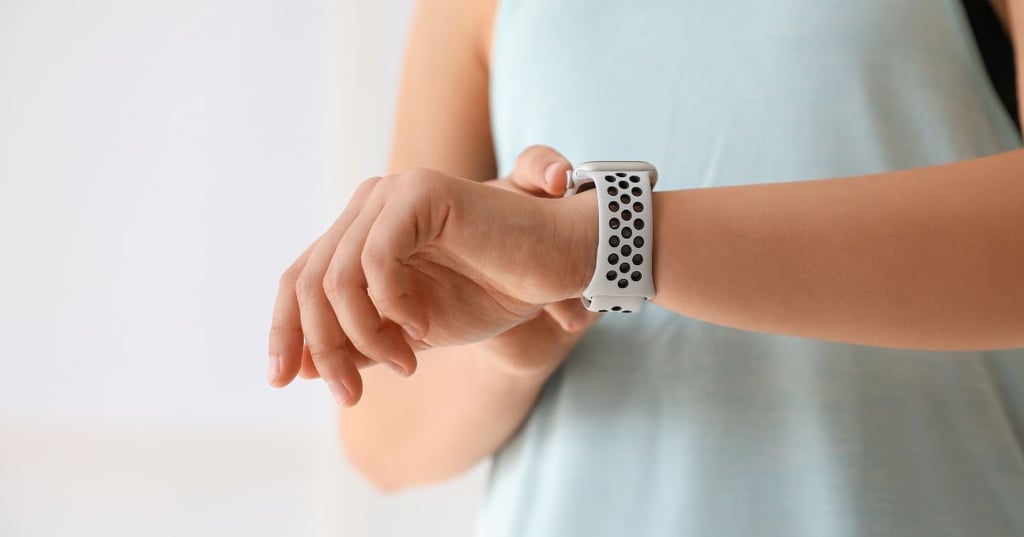
The variety of personal devices to track digital biomarkers (sleep, activity/gait, respiration, heart metrics, VO₂max, microbiome, temperature) is constantly expanding.
With advancements in technology and AI functionality, these devices are becoming more accurate and have even found their way into several clinical trials looking into strategies to personalise health ageing. Whilst validation of these devices is still an area of ongoing research, tracking personal trends in key biomarkers remains their strength.
Key takeaways
- Track the metrics that matter: Focusing on the metrics that matter for you is important, so it’s good to have a plan in mind. Start by tracking sleep quantity and quality, HRV, resting heart rate, gait speed or exercise intensity. Using these high-signal biomarkers, you can track trends to see which strategies are working or not working for you, and have been associated with functionality and risk of mortality
- Stack easy wins first: Start with a simple wearable (watch or ring). Track the metrics that interest you, experimenting with different strategies (diet, exercise, sleep hygiene) to see what the impact of these strategies are for you. Use these results to inform your choice of more advanced devices, such as CGM or VO2max monitors
- Upgrade exercise capacity: Use targeted exercise strategies such as zone-2 or high-intensity interval training to move the needle on your VO2max, cardiometabolic health, and performance and recovery. Use markers such as heart rate, zones, exercise intensity and duration, HRV recovery, and blood pressure to track your progress
4. Stem cell–derived immune cells rejuvenate brain
Stem cell–derived immune cells rejuvenated cognition in ageing and Alzheimer’s mouse models by reducing neuroinflammation, restoring hippocampal mossy cells, and shifting brain cell “biological age” toward youth without entering the brain.
Key takeaways
- Support immune balance first: Use food, fasting, and targeted supplements to calm inflammation, because steady immune signals from the body act like a shield for the brain, keeping memory and focus sharper over time
- Track inflammation as feedback: Add markers like hs-CRP, IL-6, and serum amyloids to your bloodwork and pair them with cognitive tracking apps or wearables, so you can see how lifestyle shifts are directly shaping brain resilience
- Layer recovery before nootropics: Lock in deep sleep, stable blood sugar, and stress recovery before adding enhancers, because a primed body makes nootropics more effective and prevents wasted effort or poor ROI
5. Microplastics interact with Alzheimer’s risk genes
Three weeks of microplastic exposure impaired memory in female APOE4 mice and altered brain and liver immune markers in a sex-and genotype-dependent way, suggesting plastics may interact with Alzheimer’s risk genes.
Key takeaways
- Limit microplastic intake where possible: Choose glass, stainless steel, and natural fibre options over plastics, especially for food and drink, since microplastics may amplify genetic risks tied to cognition and inflammation
- Track early stress signals: Add inflammatory markers (hs-CRP, IL-6), liver enzymes, and cognition tests into your health tracking, since these reflect the same immune–metabolic shifts microplastics triggered in APOE4 mice
- Strengthen detox and repair levers: Support the body’s clearance systems with liver-friendly nutrients (sulforaphane, NAC, bitter greens) and optimise gut health, as plastics interacted with detox enzymes and inflammatory cells in this research
Optimisation and longevity studies
Additional studies that stood out in this edition’s research landscape:
- Lithium deficiency and the onset of Alzheimer’s disease
- Targeting iron-associated protein Ftl1 in the brain of old mice improves age-related cognitive impairment
- Saffron and Sleep Quality: A Systematic Review of Randomized Controlled Trials
- The geroprotectors trametinib and rapamycin combine additively to extend mouse healthspan and lifespan
- Social anxiety disorder-associated gut microbiota increases social fear
Thanks for reading this edition of the Healthspan Insider. We hope this edition’s insights support you on your optimisation journey.
Not yet subscribed? Join today to get Mark’s takeaways delivered directly to your inbox – just complete the form on this page.