

During Women’s Health Week in Australia, there’s no better time to take a closer look at your health.
We’re in an exciting era of Medicine 3.0 healthcare driven by rapid advancements in longevity research and human performance. For women like me who hold the value of health high on their list, there’s now more access than ever to advanced lab tests and screenings that can help you elevate your health today and extend your future healthspan.
This means a combination approach of taking the advice for doing standard check-ups plus layering in advanced lab testing to gain a deeper understanding of your health markers, from hormone and metabolic function to cardiovascular risk and daily habits.
Whether you’re in your 30s or your 90s, I’ve rounded up the most valuable tests for female health enthusiasts to elevate your health and optimise your longevity. Here’s my decade-by-decade guide.
Establish your baseline (at any age)
No matter where you’re starting from, whether you’re in your 20s, 30s, 40s or beyond, the first step in optimising your long-term health is establishing your baseline. For many of us, our work requires us to get clear on measurable outcomes, so why is your health any different?
A personalised set of baseline tests gives you something to measure against as you age, so you can detect shifts early and make informed choices along the way.
Comprehensive bloods and urine
Start with a comprehensive functional blood and urine test, which establishes a broad biomarker baseline of nutritional and mineral deficiencies, as well as a snapshot of hormonal health, thyroid health, a comprehensive cardiovascular panel including lipid subfractions, Lp(a) and ApoB, plus your essential fatty acid, and amino acid profiles.
Nutrigenomic DNA panel
Once in your lifetime, the practitioners at Melbourne Functional Medicine recommend our patients take a nutrigenomic DNA test. By understanding your unique genetic blueprint, including your methylation capacity, you can begin to tailor your diet, exercise, and lifestyle choices to better support your health, reduce disease risk early, and optimise performance.
Head practitioner Mark Payne says that “A myDNA Comprehensive is a one-time test that delivers lifelong guidance, making it a smart investment in preventative health”, and I concur. I actually wish I had done this test in my 20s.
Gut health
Your gut is another cornerstone of health. A stool metagenomic mapping test can identify microbiome imbalances, infections, and inflammation that may be impacting digestion, immunity, or mental health. The great thing about testing your microbiome is that there is so much you can edit and improve under the guidance of a gut health specialist like those at our clinic.
Food reactivity
For those wanting to uncover hidden food-related issues before mid-adulthood, a food sensitivity panel like the Precision 88 or KBMO FIT offers a way to detect food-related inflammatory triggers that may otherwise go unnoticed. I’m personally thrilled with the insights I gained from doing my Precision 88, and I know my adjustments have set me up for a healthier future with some simple food edits (getting off gluten has been a game-changer for me!).
In your 30s: Build on your baseline
In our longevity clinic, we believe your 30’s is a great time to get a baseline on your biomarkers, per above, prior to the first of two major ageing events (at around 44 years old and 60 years old).
Foundational checks
And, if by the time you’re 30 you haven’t considered routine health screenings like skin cancer checks, learning breast self-examination, checking your blood pressure and eye health, now is the time to start.
Oral health
We also strongly advocate for prioritising dental health, given its well-established impact on the entire body. An integrative dental assessment can uncover hidden infections, gum disease or bite imbalances that may affect overall health. For many women, our 30’s is the most common decade to welcome a child and we know pregnancy can have an impact on oral health so this is a great time to get this looked at. Look for an integrative, holistic or biological dentist who understands the mouth-body connection and takes a personalised, preventative approach. If you’re a patient of ours, ask us about our Oral Microbiome testing to assess the health of your oral microbiome.
In your 40s: Prioritise metabolic and hormone health
Your 40s are a time of transition and change. They’re often the busiest decade for career, family, and life admin, and hormones are beginning to shift behind the scenes. Perimenopause can start as early as your late 30s or early 40s, so keeping a close eye on hormonal health now can help smooth the path ahead. As a functional medicine health coach now in my 40s, I’ve started investing more in understanding and acting on my hormone and metabolic health.
Body composition
Because metabolism can become more sensitive in your 40s, I’m a big fan of body composition tracking with DEXA or bio-impedance scales. My experience with Arekai within Saint Haven South Yarra for a body composition DEXA was 5 stars. Damian and the team really know their stuff. Getting a baseline on my lean muscle mass and visceral fat percentages is my way of baselining body composition and staying accountable.
Glucose dynamics
I chose to pair my metabolic health focus with a continuous glucose monitor (CGM) for a few weeks to spot early blood sugar dysregulation. The learnings I made from my Vively experience were invaluable, as I better understood which foods were uniquely high GI for me, and how stress and sleep played into my sugar cravings! This article on Continuous Glucose Monitoring that my colleague Bee Pennington wrote on the topic, was the motivation I needed.
Movement capacity
Another critical aspect of metabolic health is movement. We all wish we could move like we were in our 20s, and just when I thought that netball and running were a thing of my past, I got to experience Matthew Green’s Move Younger program. Wow, all I can say is what a difference having a functional movement coach can add to your potential to actually move younger. If you’re serious about your health and fitness, find yourself a movement coach who is skilled in building you a bulletproof body.
Hormones
Moving on to hormones, A DUTCH Complete hormone test is our go-to here. It’s an at-home urine test that maps your sex hormones (oestrogen, progesterone, testosterone) as well as your stress hormone patterns. Understanding your oestrogen-to-progesterone ratio and how you metabolise oestrogen is gold for navigating perimenopause with more ease. It can also highlight if stress is stealing your sex hormone production (hello, low energy and disrupted cycles). I personally think every woman in Australia should have this lab test.
Thyroid
We also recommend re-checking thyroid health, as shifts in thyroid hormones during this decade can mimic or worsen perimenopause symptoms like fatigue, weight changes, and brain fog. This is where a functional blood panel that includes a full suite of thyroid markers, like (not just TSH), can be invaluable.
In your 50s: Champion brain health and get educated about your heart health risks
By the time you’re in your 50s, most women are navigating menopause and peak career performance, which means your brain is working overtime whilst re-wiring itself during the second puberty. This time is the perfect window for protecting long-term cognitive health as well as getting honest about your heart health. Buckle up, ladies, this is a big decade of health investigations.
Brain health
Start with a CNS Vital Signs test (or similar cognitive performance assessment) to track memory, processing speed, and executive function. Early detection of small changes allows you to take action before they become bigger problems. Combine this with a deep dive into brain-supportive nutrients like omega-3 fatty acids, B vitamins, and magnesium, which can be tested in a functional blood panel.
Given oestrogen’s role in brain health, post-menopause (which is on average from 51) is also the time to review your hormone status and discuss options for ongoing support, whether that’s lifestyle, nutrition, or hormone therapy with your doctor.
Heart health
Let’s now shine a light on heart health. Heart disease is the biggest killer of women, and our risk skyrockets around menopause due to the risks that come along with the declining hormones. We recommend an annual, advanced lipid profile plus inflammatory markers like high-sensitivity CRP and other independent markers like homocysteine. To catch warning signs, we cover this off in our Cardiovascular Comprehensive Profile.
After blood testing, the next layer of insight comes from advanced imaging and full-body MRI. Some of our patients with risk factors on the Cardiovascular Comprehensive profile go off to get a referral for Coronary Artery Calcium (CAC) CT scan or Carotid Intima-Media Thickness (CIMT) ultrasound. These help identify plaque build-up that could affect both heart and brain function and it is best to speak to your GP about these.
An option for a privately billed service that offers a money can buy health experience is a whole-body MRI. Our clinical team recommends OneMRI, where over 500 potential conditions are scanned to offer peace of mind or the earliest intervention possible. Read about one woman’s full-body MRI experience.
Performance & longevity metrics
Starting an annual Healthspan Assessment is one of the smartest moves you can make in your 50s. At Melbourne Functional Medicine, we offer this as a 20-point check, including things like grip strength, metabolic age, flexibility and balance (yes these are critical to your healthspan) as well as lung function, VO2 max and more. The CNS vital signs cognition test is included too!
If you love a challenge (and want a data-driven reason to push your training), adding a private VO₂ max test can be a game-changer for fitness and longevity. We recommend Luke and the team over at METS Performance if you’re Melbourne-based.
For our more competitive patients, the ones who like to see the scoreboard on their health, we also recommend a biological age test. This isn’t about the candles on your birthday cake; it’s about understanding how well your body is truly ageing, and what you can do to slow that clock.
Another one worth checking: NAD+ levels. NAD+ is like cellular fuel, and lower levels are linked to reduced energy and higher risk of age-related conditions. Testing can help us spot early dips and create a plan to top them up so you stay energised and resilient.
Foundational screening
And of course, the non-negotiables remain – keep up with your regular screenings: cervical, breast, skin, dental, hearing and eye health. Think of your 50s as the decade to be proactive, so you can enjoy the freedom and clarity you’ve worked so hard for by the time you get to retirement age.
In your 60s: Monitor and maximise
Hopefully now you have a good rhythm for testing and health maintenance. If not, it’s never too late to begin.
Bone health
With postmenopausal life in full swing, it’s good to check the status of your bone density and strength in this decade prior to your 70’s when fracture risk rises sharply. Usually, a referral is needed for a bone density DEXA scan, but anyone can book a radiation-free REMS (Radiofrequency Echographic Multi-Spectrometry) scan, which is available privately.
If your scan reveals bone loss, there’s innovative technology available to help improve bone health. We recommend exploring OsteoStrong, a system designed to strengthen bones safely and effectively.
Health habits
With work and family responsibilities usually lighter, now is the time to re-check your health habits to enable many years of freedom ahead. Are your habits helping or harming your health? Do an audit, then get some lifestyle support to help make meaningful changes to strengthen your long-term health.
Movement
Be sure to pay particular focus to mobility and strength work, you may even consider working with a movement expert to help you challenge the notion that your body can’t move like it used to.
In your 70s: Strength in staying active
Your 70s can be a decade of freedom and health. This is your time to protect strength, mobility, nutrition, and brain function so you can live fully into your 80s and 90s.
Comprehensive bloods
Keep up with comprehensive blood work every 1–2 years. We’re looking at cholesterol, inflammatory markers, nutrient levels, and more – the kind of checks that spot small changes early so we can adjust before they turn into bigger challenges.
Protein status
Your digestion also deserves special attention. As we age, stomach acid often declines (called hypochlorhydria), making it harder to break down protein – right when your body needs more of it. A simple amino acid profile can tell us if you’re absorbing protein properly, so we can support muscle and repair where it counts.
Metabolic review
This is also a perfect time to revisit your metabolic health. Wearing a continuous glucose monitor for 2–4 weeks can reveal how your body is responding to food, stress, and sleep. I recently helped a patient in her late 70s garner learnings from a Vively CGM, and it was life-changing for her. Her energy levels are rising thanks to the adjustments she made, and she proves that it is never too late to change your lifestyle.
Think of this decade as your health investment phase; the stronger your foundation now, the more freedom you’ll enjoy in the years ahead.
Cognition
To support brain health, consider redoing the CNS Vital Signs test to benchmark cognitive function for your age bracket. Stay mentally sharp by maintaining your neural pathways through activities like learning new skills, staying socially engaged, or using brain-training tools such as Cognifit or Lumosity.
Falls prevention
Mobility and balance are critical to maintaining independence and brain health. Pay close attention to strength and proprioception – your body’s ability to sense its position in space. Simple but effective exercises like squats can help prevent falls, a leading risk factor for rapid health decline in older adults.
In your 80s and 90s: Enjoy the fruits of your labour
Australian women live longer than men, but often spend more years managing chronic health conditions. What if you could turn those extra years into fully lived years?
Even in your 80s and 90s, you can make meaningful gains. Research shows that adopting healthy habits late in life can improve your chances of reaching 100, and doing so with strength, clarity, and independence.
Fundamentals first
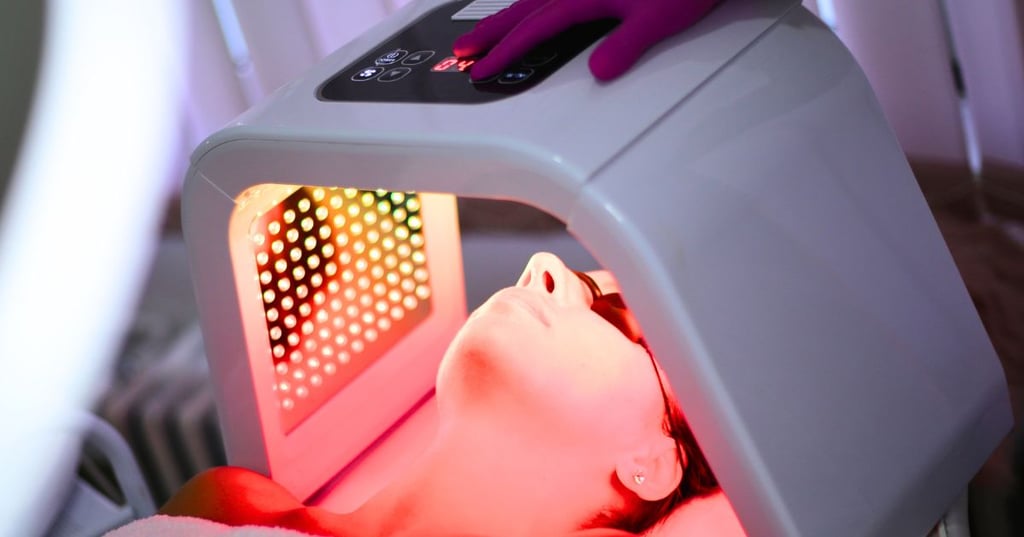
At this stage, the basics are your best allies: stay hydrated, nourish yourself with nutrient-dense meals, and keep protein intake up to protect muscle, bone, and immune function. If you haven’t already explored it, gentle bio-optimisation tools such as photobiomodulation therapy may help boost cellular energy and recovery, supporting day-to-day vitality.
Common risks
The most common threats to independence for women in later life are falls, cardiovascular disease, and cognitive decline. Continue regular health checks, track metabolic markers, and use targeted functional testing where relevant. Balance and mobility work, from resistance training to simple, daily squats continues to be a non-negotiable to maintain strength and stability.
Measures like grip strength and timed mobility tests, such as those in our Healthspan Assessment, can offer a snapshot of your physical resilience.
Hydration review
Hydration also needs more attention now. As thirst signals fade and kidney function changes, traditional signs like skin turgor become unreliable. Blood chemistry, including sodium, glucose, and urea, interpreted alongside kidney and protein markers, can give a more accurate picture. Your practitioner can guide you on the best options.
Protein assessment
For protein, if there’s any doubt you’re getting enough, your practitioner may assess markers like albumin or creatinine, review your diet, or perform muscle strength testing. Even small increases can make a big difference to function and recovery.
Mind and spirit
And don’t forget your mind and spirit. Social connection, meaningful activities, and lifelong learning help maintain cognitive health and emotional wellbeing. Whether it’s joining a group, picking up a new skill, or engaging in regular mental challenges, keeping your brain active is as important as moving your body.
Let’s do this!
Your health journey doesn’t end with avoiding illness, it’s about shaping a life you love.
Whether you’re in your 30s, building your foundation or in your 90s, focused on staying strong and sharp, we now have more tools than ever to support our body and brain health. You can take action at any age, and my patients from their 20s through to their 80s reinforce this truth to me every day. Join us and make the most of this exciting era of health care!
Want to make sure you’re not just covering the basics? Our one-page checklist highlights advanced tests and assessments you can use to elevate your health and longevity. Print it and keep it handy for your next check-in.